

Why Fiji is a Better Study Destination for Indian Students
Fiji offers Indian students a uniquely welcoming environment thanks to its large Indo-Fijian community (roughly one-third of the population). Daily life feels culturally familiar—Hindu temples, Diwali celebrations, vegetarian dining, and Hindi/Fiji-Hindi spoken in many communities—while still delivering an international study experience.
Add to this smaller class sizes, industry-aligned programs, and direct access to Pacific-focused careers, and Fiji becomes a practical alternative to costlier, high-pressure hubs. You gain global exposure without losing cultural continuity, making transition and settlement markedly easier.
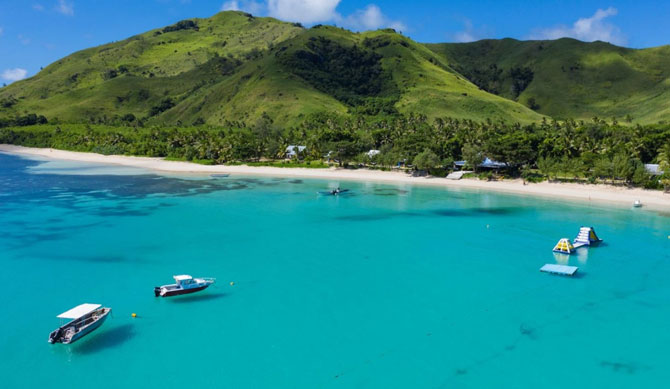
Peaceful Country
Fiji is known for its hospitality and community ethos—“Bula spirit”—which translates into a generally calm, friendly atmosphere. Smaller urban centres, community-based living, and close ties between institutions and local stakeholders contribute to a sense of safety. For Indian students adjusting to a new country, this supportive environment eases integration and keeps the focus on studies and career planning.
Island Lifestyle
An island routine encourages balance: study in the morning, a beach walk or gym in the evening, and social time with classmates on weekends. Short distances mean less time commuting and more time for projects, part-time work, or rest. The pace is unhurried yet productive, which many students find improves concentration and reduces burnout during intensive semesters.
Food & Culture
Fiji blends iTaukei traditions with a vibrant Indo-Fijian heritage – think fresh seafood, tropical produce, and familiar staples like dal, roti, and curries.
Cultural calendars include Diwali, Holi, and Eid alongside Fijian ceremonies and community festivals.

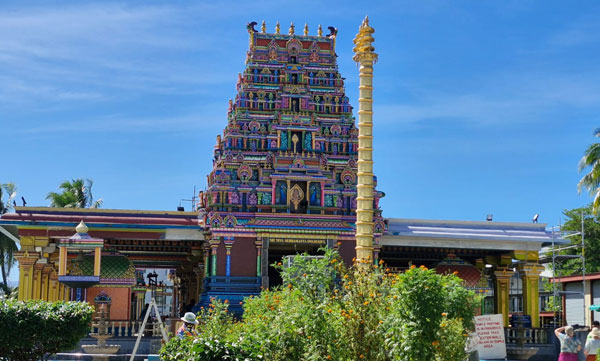
Temples, gurdwaras, mosques, and churches coexist within short distance, and vegetarian options are widely available.
This multicultural reality allows Indian students to keep dietary and religious practices while engaging with new Pacific customs, widening networks and perspectives.
Beauty
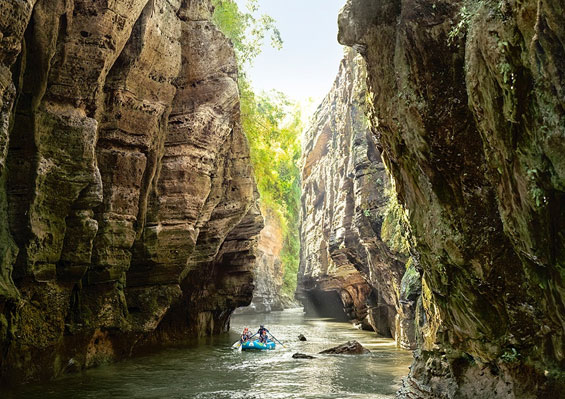
Fiji’s natural environment—emerald islands, coral reefs, and rainforest interiors—creates a study backdrop that feels restorative rather than stressful. Campuses and accommodations are often close to beaches or coastal walkways, so a sunrise swim or an evening stroll is part of everyday life.
For Indian students used to dense urban settings, the visual calm and open spaces help reduce study fatigue and support mental health, turning weekends into mini-retreats without long, expensive trips.
Weather
Fiji’s tropical maritime climate means warm temperatures year-round, moderated by sea breezes. For students arriving from India’s diverse climates, the predictability is a relief: light clothing, fewer seasonal disruptions, and more outdoor time for sport and social life.
A defined dry season supports reliable campus operations and travel, while the wet season brings lush greenery and cooler evenings. Overall, the climate supports wellbeing and an active lifestyle—ideal for balancing study with recreation.
Clean, Low-Pollution Environment
Relative to megacities, Fiji offers clean air, lower traffic congestion, and quick access to green and blue spaces. Coastal breezes, protected marine areas, and abundant vegetation contribute to better air quality and outdoor living.
For students sensitive to pollution or seeking a healthier lifestyle, the environment supports regular exercise, improved sleep, and overall wellbeing—important foundations for sustained academic performance.

Affordable Cost of Living
Compared with traditional destinations such as Australia or New Zealand, day-to-day costs in Fiji are generally lower—particularly for housing, local transport, fresh produce, and casual dining.
Shared student housing and meal prep keep budgets predictable, while smaller cities reduce commuting time and expenses. For Indian families planning multi-year study, this cost profile helps maintain quality of life without constant financial pressure.
Lower Tuition Fees
Tuition for many programs in Fiji is typically more affordable than equivalent qualifications in larger, high-demand markets. Institutions offer practical, industry-aligned courses with modern facilities, delivering strong value for money.
Combined with lower living costs, the total cost of education becomes accessible for middle-income families, without sacrificing academic quality or student support services.
Tourism
Living in a global tourism hotspot means world-class weekend options at student-friendly budgets: island-hopping, snorkeling and diving, hiking, and heritage villages. Reliable inter-island transport and tour operators make short breaks easy to plan around coursework.
Tourism’s economic importance also translates into internships and casual roles in hospitality, events, and travel services—valuable for résumés and practical learning, especially for students eyeing service-sector careers.

Stable Democracy
Fiji operates as a constitutional democracy with functioning institutions, independent media, and rule-of-law frameworks that support international education. For students and parents, this means predictable policy environments, transparent processes, and reliable public services. Universities and colleges benefit from this stability, enabling consistent academic calendars, safe campuses, and dependable student services.